Optimize Your Logistics Operations with Expert Consultancy
In today's fast-paced market, logistics operations play a crucial role in the success of any business. Efficient logistics not only reduce costs but also enhance customer satisfaction. However, many companies struggle to optimize their logistics processes, leading to wasted resources and missed opportunities. This is where expert consultancy comes into play. By leveraging the knowledge and experience of logistics consultants, businesses can streamline their operations, improve efficiency, and ultimately boost their bottom line.
Understanding Logistics Operations
Logistics operations encompass a wide range of activities, including transportation, warehousing, inventory management, and order fulfillment. Each of these components is interconnected, and inefficiencies in one area can lead to problems in others.
Key Components of Logistics Operations
Transportation
This involves the movement of goods from one location to another. Efficient transportation is crucial for timely deliveries and cost management.
Warehousing
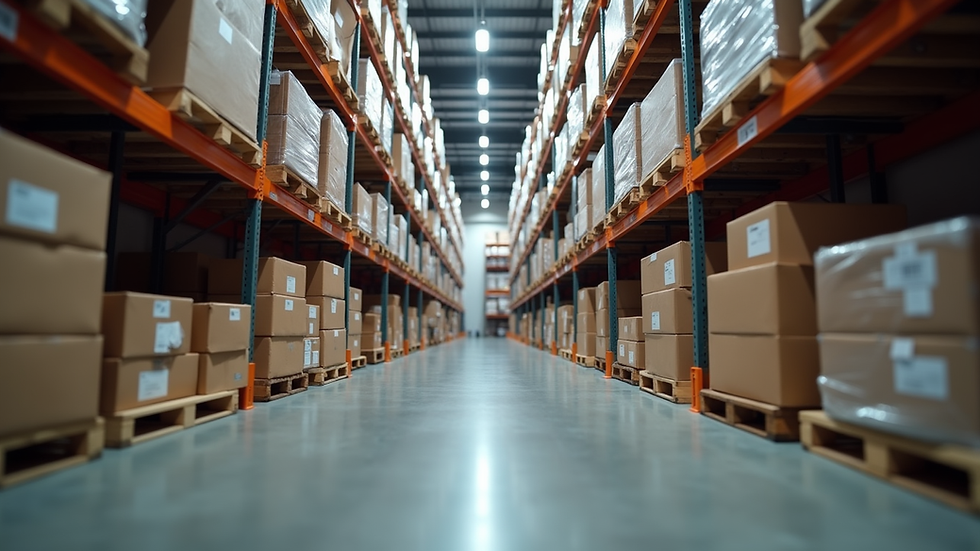
Warehousing refers to the storage of goods before they are distributed. An organized warehouse can significantly reduce handling times and improve inventory accuracy.
Inventory Management
Effective inventory management ensures that the right amount of stock is available at the right time. This minimizes excess inventory costs and prevents stockouts.
Order Fulfillment
This process involves picking, packing, and shipping orders to customers. Streamlined order fulfillment can enhance customer satisfaction and loyalty.
The Importance of Expert Consultancy
Expert consultancy in logistics provides businesses with the insights and strategies needed to optimize their operations. Here are some key benefits:
1. Tailored Solutions
Consultants assess the unique challenges faced by a business and develop customized strategies. This personalized approach ensures that solutions are relevant and effective.
2. Industry Expertise
Logistics consultants bring a wealth of experience and knowledge. They stay updated on industry trends and best practices, allowing businesses to benefit from proven strategies.
3. Cost Reduction
By identifying inefficiencies and implementing best practices, consultants can help businesses reduce operational costs. This can lead to significant savings over time.
4. Improved Efficiency
Consultants analyze existing processes and recommend improvements. This can result in faster order processing, better inventory management, and enhanced transportation efficiency.
5. Enhanced Customer Satisfaction
Optimized logistics operations lead to timely deliveries and accurate order fulfillment, which directly impacts customer satisfaction. Happy customers are more likely to return and recommend your business.
How to Choose the Right Logistics Consultant
Selecting the right logistics consultant is crucial for achieving the desired results. Here are some factors to consider:
1. Experience and Expertise
Look for consultants with a proven track record in logistics. Their experience in your specific industry can provide valuable insights.
2. Services Offered
Ensure that the consultant offers a range of services that align with your needs. This may include transportation management, warehousing solutions, and inventory optimization.
3. Client Testimonials
Check for reviews and testimonials from previous clients. Positive feedback can indicate the consultant's effectiveness and reliability.
4. Communication Skills
Effective communication is essential for a successful partnership. Choose a consultant who listens to your needs and communicates clearly.
5. Cost Structure
Understand the consultant's pricing model. Ensure that it aligns with your budget while providing value for the services offered.
Implementing Expert Consultancy in Your Logistics Operations
Once you've selected a logistics consultant, the next step is implementation. Here’s how to effectively integrate their expertise into your operations:
1. Set Clear Objectives
Define what you want to achieve through consultancy. This could include reducing costs, improving delivery times, or enhancing inventory accuracy.
2. Collaborate with Your Consultant
Work closely with your consultant to share insights about your current operations. Their recommendations will be more effective with a comprehensive understanding of your business.
3. Monitor Progress
Establish key performance indicators (KPIs) to track the success of implemented strategies. Regularly review these metrics to assess progress and make necessary adjustments.
4. Foster a Culture of Continuous Improvement
Encourage your team to embrace changes and seek ongoing improvements. A culture of continuous improvement can lead to sustained success in logistics operations.
5. Evaluate Results
After implementing changes, evaluate the outcomes against your initial objectives. This assessment will help you understand the impact of consultancy on your logistics operations.
Case Studies: Success Stories of Logistics Consultancy
Case Study 1: Retail Company
A retail company faced challenges with inventory management, leading to frequent stockouts and excess inventory. By engaging a logistics consultant, they implemented a new inventory management system that utilized real-time data analytics. As a result, the company reduced excess inventory by 30% and improved order fulfillment times by 25%.
Case Study 2: Manufacturing Firm
A manufacturing firm struggled with transportation inefficiencies, resulting in delayed shipments. The consultant analyzed their transportation routes and identified opportunities for consolidation. By optimizing their delivery schedules, the firm reduced transportation costs by 15% and improved on-time delivery rates.
The Future of Logistics Consultancy
As technology continues to evolve, the logistics industry is undergoing significant changes. Here are some trends that may shape the future of logistics consultancy:
1. Increased Use of Technology
Technological advancements, such as artificial intelligence and automation, are transforming logistics operations. Consultants will need to stay updated on these technologies to provide relevant solutions.
2. Sustainability Focus
With growing concerns about environmental impact, logistics consultants will play a crucial role in helping businesses adopt sustainable practices. This may include optimizing transportation routes to reduce carbon footprints.
3. Data-Driven Decision Making
The use of data analytics will become increasingly important in logistics. Consultants will need to leverage data to provide actionable insights and improve operational efficiency.
4. E-commerce Growth
The rise of e-commerce is changing logistics dynamics. Consultants will need to help businesses adapt to the demands of fast-paced online retail, including efficient order fulfillment and last-mile delivery solutions.
Conclusion
Optimizing logistics operations is essential for businesses looking to enhance efficiency and customer satisfaction. By engaging expert consultancy, companies can gain valuable insights and tailored solutions that address their unique challenges. The benefits of improved logistics extend beyond cost savings; they can lead to stronger customer relationships and a competitive edge in the market.
Take the first step towards optimizing your logistics operations by exploring consultancy options today. The right expertise can transform your logistics processes and drive your business forward.
Comments